
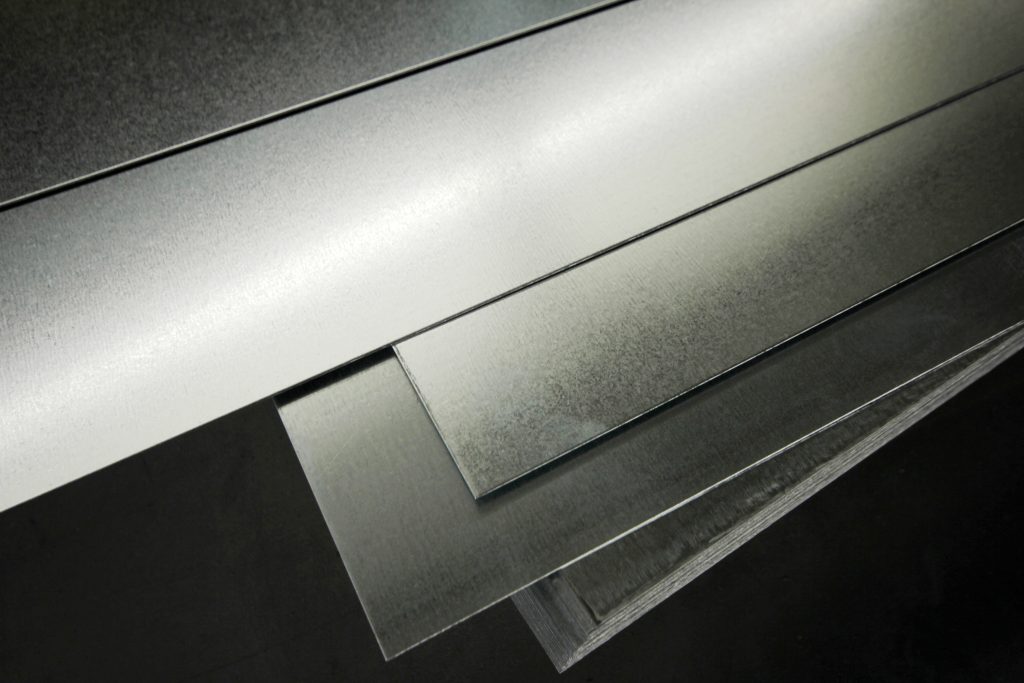
Steel Sheets
Transporting steel sheets is a critical aspect of many industries, including construction, manufacturing, and metal fabrication. Ensuring the safety, efficiency, and cost-effectiveness of transportation requires adherence to best practices, proper planning, and compliance with regulations.
We do meticulous planning before loading like:
1. Characteristics of Steel Sheets
- Dimensions: Steel sheets come in various sizes and thicknesses, typically ranging from thin sheets (under 1mm) to thicker plates (over 6mm).
- Weight: Steel sheets are heavy, requiring equipment capable of handling substantial loads.
- Surface Finish: Protecting the surface from scratches, dents, or rust is essential, especially for pre-finished or coated sheets.
2. Key Considerations
- Type of Transport: Depending on the quantity and size of the sheets, transportation may involve trucks, trains, ships, or air freight.
- Loading and Unloading: Use cranes, forklifts, or other material-handling equipment to minimize manual handling and ensure safety.
- Protection: Steel sheets should be properly packaged or secured to prevent shifting, scratches, and exposure to moisture during transit.
3. Packaging and Securing
- Bundling: Stack sheets in bundles and secure them with steel or plastic strapping.
- Palletizing: Place bundles on pallets for easier handling with forklifts.
- Edge Protection: Use corner protectors to prevent straps from damaging the edges.
- Wrapping: Cover bundles with waterproof materials like tarps or plastic sheets to protect against rust.
4. Transport Vehicle Preparation
- Flatbed Trucks: Ideal for large sheets or bundles, ensuring adequate space and load-bearing capacity.
- Closed Trailers: Protect sheets from weather elements during transit.
- Tie-Down Points: Equip the vehicle with sufficient tie-down points to secure the load firmly.
5. Loading and Unloading Best Practices
- Plan Ahead: Arrange loading and unloading areas to ensure smooth operations.
- Use Proper Equipment: Employ forklifts with padded forks or cranes with slings designed for steel sheets.
- Balance the Load: Distribute the weight evenly to avoid shifting during transit.
- Personnel Safety: Provide workers with personal protective equipment (PPE) such as gloves, steel-toe boots, and helmets.
6. Transportation Regulations
- Weight Limits: Adhere to legal weight limits for road, rail, or sea transport to avoid penalties.
- Documentation: Carry all required permits, bills of lading, and inspection certificates.
- Hazard Warnings: Label shipments with appropriate warnings if the sheets have sharp edges or other potential risks.
7. Handling Challenges
- Corrosion: Steel sheets are prone to rust if exposed to moisture. Use rust-preventive coatings or desiccants in packaging.
- Deformation: Thin sheets can bend or warp under stress. Use rigid supports for stability.
- Storage During Transit: If temporary storage is required, store sheets on flat surfaces away from moisture.
8. Post-Delivery Considerations
- Inspection: Check for any damage during transit, including scratches, dents, or rust.
- Storage: Store steel sheets in a dry, covered area on a flat, stable surface.
- Documentation: Verify the shipment against the packing list or invoice.

Conclusion
Transporting steel sheets demands meticulous planning and the use of appropriate methods to ensure the materials reach their destination in pristine condition. By employing proper equipment, protective measures, and adhering to regulations, businesses can streamline the logistics process while minimizing risks and costs.