
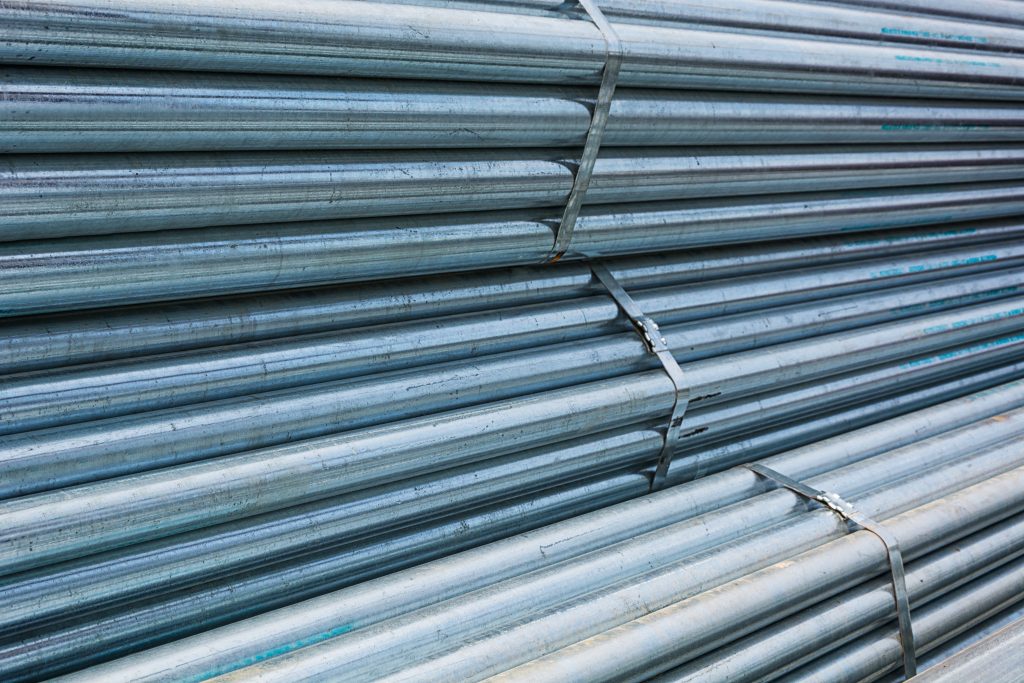
Steel Pipes
Transporting steel pipes requires careful planning and execution to ensure the cargo is delivered safely and efficiently. Steel pipes are often long, heavy, and cylindrical, presenting specific challenges for stability and handling. Below is a guide covering the essential aspects of transporting steel pipes via truck.
Why Choose Us?
Our Current Fleet exceeds well over 50 Trucks. Our Daily Routes are:
Durban to Johannesburg and Surroundings
Durban to Ladysmith, Newcastle and Bethlehem
Durban to Richards Bay, Pongola and Vryheid
Durban to Port Shepstone, Gqeberha, East London and Cape Town
How we Work?
1. Preparation
Understand Your Cargo
- Assess the dimensions, weight, and quantity of steel pipes to plan the transport appropriately.
- Determine whether the pipes are bare, coated, or bundled to choose the best securing methods.
Select the Right Equipment
- Truck and Trailer Type: Use flatbed trucks or trailers with sufficient length and load capacity.
- Securing Devices: Chains, straps, rubber mats, edge protectors, and blocking materials are essential.
- Cradles or Supports: For individual pipes, use cradles or saddles to stabilize them during transit.
Inspection
- Ensure the truck and trailer are in excellent condition.
- Inspect all securing devices for wear or damage before use.
2. Loading Steel Pipes
Loading Plan
- Weight Distribution: Distribute the weight evenly across the trailer to maintain stability.
- Orientation: Pipes can be loaded individually, in layers, or in bundles, depending on their size and destination.
- Staggering: If loading multiple layers, stagger the pipes to prevent shifting.
Use Proper Equipment
- Employ cranes, forklifts, or pipe handlers to lift and position pipes safely.
- Avoid dragging pipes across surfaces to prevent damage to coatings or structural integrity.
Protection
- Use rubber mats, wooden dunnage, or soft spacers between pipes to prevent scratches or damage.
3. Securing the Load
Tiedown Methods
- Use straps or chains rated for the weight of the pipes.
- Secure each layer or bundle individually to prevent movement.
- Tighten tiedowns to achieve snug but not overly tight pressure to avoid damaging the pipes.
Blocking and Bracing
- Place wooden blocks or wedges at the front, rear, and sides of the pipes to prevent rolling or sliding.
- Use chocks or cradles to stabilize rounded pipes.
Edge Protection
- Install edge protectors to prevent straps or chains from cutting into the pipes.
Legal Compliance
- Follow FMCSA or regional regulations for load securing, which specify the number of tiedowns and other requirements based on weight and size.
4. Transporting
Driving Safely
- Speed Management: Maintain moderate speeds, especially on curves or rough roads.
- Avoid Sudden Movements: Brake, accelerate, and turn gradually to minimize load shifting.
- Weather Considerations: Adjust driving to account for rain, snow, or wind, which can affect traction and stability.
Periodic Inspections
- Stop periodically to inspect the load and ensure the securing devices remain tight.
- Re-adjust or re-tighten as necessary to maintain load stability.
5. Unloading the Pipes
Choose a Safe Location
- Unload on flat, stable ground, free from obstructions or uneven surfaces.
Release Securing Devices Safely
- Remove straps, chains, or blocks slowly to prevent sudden movement of the pipes.
Use Appropriate Equipment
- Utilize cranes, forklifts, or pipe handlers to safely remove pipes from the trailer.
- Avoid manual handling for large or heavy pipes to prevent injury.
6. Safety and Compliance
Training
- Train drivers and loaders in proper handling, securing, and transport techniques for steel pipes.
- Educate workers on potential hazards, such as rolling pipes or sudden shifts.
Documentation
- Ensure all necessary permits, weight certificates, and transport documents are complete and accessible.
Insurance
- Verify that the cargo insurance policy covers steel pipes and any specific risks associated with their transport.
7. Best Practices
- Use high-visibility flags or markers on pipes that extend beyond the trailer bed.
- Secure tarps or coverings if transporting pipes in adverse weather or dusty conditions.
- Always plan the route in advance, avoiding narrow or low-clearance areas.
Lorem Ipsum is simply dummy text of the printing and typesetting industry. Lorem Ipsum has been the industry’s standard dummy text ever since the 1500s, when an unknown printer took a galley of type and scrambled it to make a type specimen book.
Save your time and money.
By following these guidelines, steel pipes can be transported safely, efficiently, and in compliance with legal and safety standards.